Calendar
Resources
The SWFL Hurricane Handbook: The Definitive Guide to Hurricane Preparedness
This is not another generic checklist of water and batteries. This is a step-by-step operational guide for Southwest Florida homeowners — written with input from experienced Southwest Florida building and storm recovery professionals who live and work in the region. This guide provides essential hurricane safety tips and a comprehensive storm preparation plan.
We have seen firsthand what helps reduce the likelihood of catastrophic damage and prolonged displacement after major storms.In many cases, the difference comes down to preparation and the decisions made before storm season begins. It is preparation, and specifically, the decisions made in the calm months before the storm season opens.
This handbook is designed to give you a clear, actionable plan across the four distinct phases of hurricane season, so you can move from anxiety to action.
The Four Stages of Hurricane Season — A Homeowner's Calendar
The Atlantic hurricane season officially runs from June 1st through November 30th. But for Southwest Florida homeowners, the real season begins in April, when the window for smart, unhurried preparation is still open. Understanding the rhythm of the season allows you to focus your energy on the right tasks at the right time.
The most important insight in this entire guide is this: the decisions you make in April and May determine your outcome in September. By the time a storm is in the Gulf of Mexico, it is too late to install flood barriers, buy flood insurance, or make meaningful structural upgrades. The window is closed.
The Pre-Season Audit — What You Must Do Before June 1st
What you do in April and May determines your safety and financial security in September. This is the most critical section of this guide.
Your Insurance Check-up
The most devastating financial mistake a Florida homeowner can make is assuming they are covered for flooding.
According to the Insurance Information Institute, a staggering 82% of Florida homes in designated flood zones do not have flood insurance.
This is not a statistic about people who cannot afford coverage. It is a statistic about people who did not understand their policy. Standard homeowner’s insurance covers wind damage — a tree falling on your roof, for example — but it explicitly excludes damage from rising water, storm surge, and flooding. Many homeowners only discover these coverage gaps after experiencing significant storm-related losses.
Action Items for Your Insurance Check-up:
Call your insurance agent today and ask this specific question: “Am I covered for damage from storm surge and rising water?” Then take the following steps based on their answer.
If you do not have flood insurance, you need to purchase a separate policy through the National Flood Insurance Program (NFIP) or a private insurer. Be aware that most new flood insurance policies have a 30-day waiting period before they take effect. You cannot wait until a storm is in the Gulf to buy coverage.
If you do have flood insurance, review your coverage limits carefully. The NFIP caps building coverage at $250,000. If your home is worth more than that, you may need supplemental private coverage.
The Structural Integrity Audit
Your home is a system. A failure in one part can compromise the whole structure.
Roof: Have your roof inspected for loose shingles or tiles, deteriorated flashing, and any signs of previous water intrusion. A small breach in the roof envelope can lead to catastrophic water intrusion during high winds.
Windows and Doors: Are your windows and doors impact-rated? This is a critical line of defense against both wind pressure and wind-borne debris. If they are not impact-rated, storm shutters are the minimum acceptable alternative.
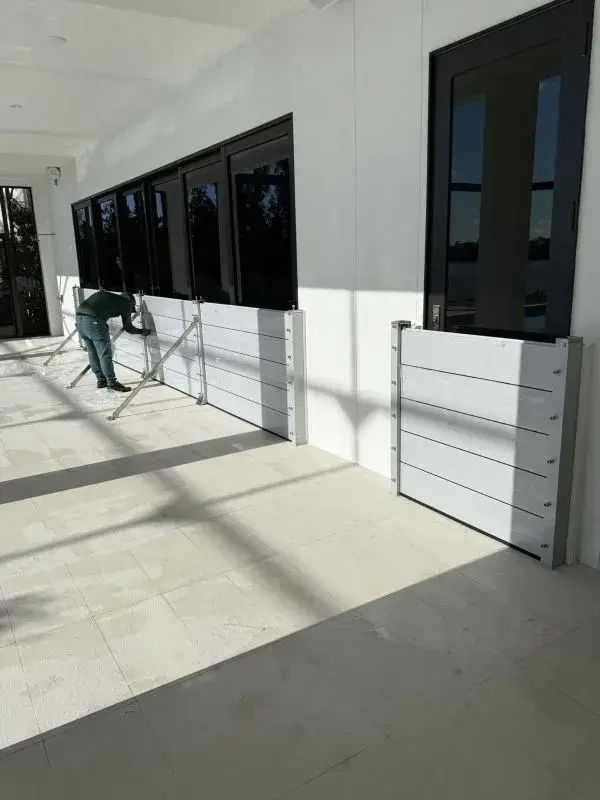
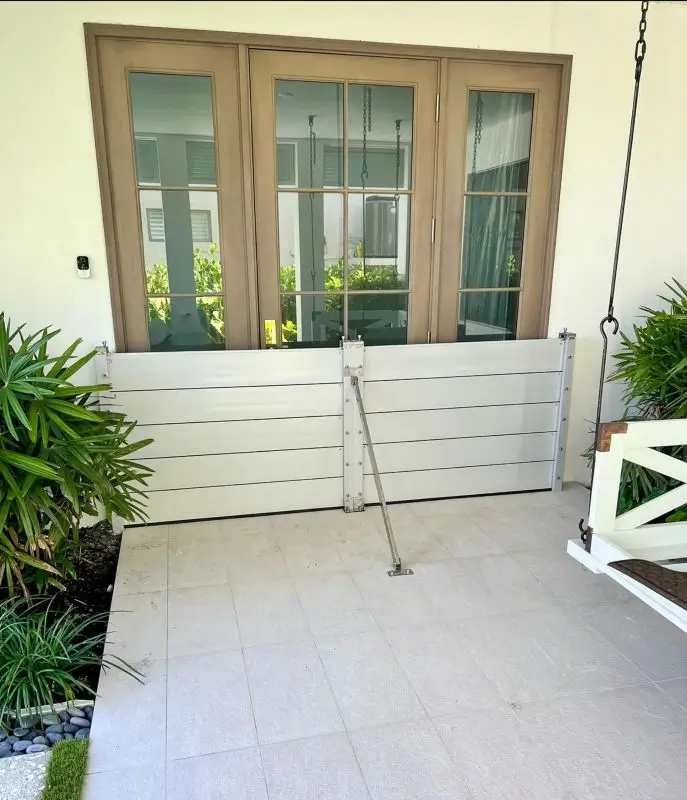
Flood Barriers: If you do not have a professional flood barrier system installed, the pre-season window is the time to act. Flood barrier installation requires permits, custom fabrication, and professional installation — a process that takes weeks, not days. Waiting until a storm is named is waiting too long. A permanent flood protection system can be one of the most effective structural upgrades for helping reduce the risk of storm surge intrusion.
Create a Home Inventory
If you need to file an insurance claim, you must be able to prove what you owned before the storm.
Walk through every room of your house and record a detailed video, narrating what you see. Open closets and drawers. Get close-ups of electronics, appliances, and high-value items. Note serial numbers where possible. Once you have recorded the video, upload it to a cloud service — Google Drive, Dropbox, or iCloud — and email a copy to yourself. A copy stored only on your phone is useless if the phone is destroyed.
The Evacuation Decision — Know Your Zone, Know Your Home
When local officials issue a mandatory evacuation order, residents should comply immediately based on emergency management guidance and storm surge risk assessments for their area.The decision to stay or go should be made well in advance, not in the chaos of an approaching storm.
The 72-Hour Checklist — When a Storm is Imminent
When a storm is forecast to impact Southwest Florida within 72 hours, it is time to execute your plan — not create one.
Frequently Asked Questions
When should I install flood barriers in Florida?
The best time to install flood barriers is during the pre-season window of April and May, before the hurricane season opens on June 1st. Installation requires permits, custom fabrication, and professional installation — a process that takes weeks. Waiting until a storm is named or approaching is too late.
What is the difference between a hurricane watch and a hurricane warning?
A hurricane watch means that hurricane conditions (sustained winds of 74 mph or higher) are possible within the specified area within 48 hours. A hurricane warning means that hurricane conditions are expected within 36 hours. A warning is the signal to complete all preparations and make final evacuation decisions.
Do I need flood insurance if I'm not in a flood zone?
Yes. Approximately 25% of all flood insurance claims come from properties outside of designated high-risk flood zones. [2] In Southwest Florida, storm surge from a major hurricane can affect properties that are not in a FEMA-designated flood zone. Flood insurance is a wise investment for virtually all homeowners in the region.
How do I find my evacuation zone in Lee or Collier County?
Visit the Lee County Emergency Management website at leegov.com/publicsafety/emergencymanagement or the Collier County Emergency Management website at colliercountyfl.gov/emergency-management. Both sites have interactive maps where you can enter your address to find your evacuation zone.
The Time to Act is Now
You cannot control the path of a storm. You cannot control its intensity. You can only control your level of storm preparation. The work you do during the pre-season can improve your preparedness, help reduce risk, and provide greater peace of mind during hurricane season.
Don’t wait until a storm is in the Gulf. To get a professional assessment of your home’s vulnerabilities and a clear plan to address them, schedule a Home Defense Audit with our team today. It’s the first and most important step in a comprehensive hurricane preparedness strategy.
You cannot control the path of a storm. You cannot control its intensity. You can only control how prepared you are for it. The work you do in the calm of the pre-season is what buys you peace of mind in the chaos of the storm — and what protects your home, your family, and your financial security when the worst happens.
Start today. Not when a storm is named. Today.
Related Reading:
Internal Linking Architecture
- Parent Pillar: The SWFL Hurricane Handbook: The Definitive Guide to Hurricane Preparedness (This Page)
- Cluster Post: The Seasonal Resident’s Hurricane Plan
- Cluster Post: Does My Homeowner’s Insurance Cover Flooding?
- Service Page: The Coastal Shield System (Permanent Flood Barriers)
References
- Insurance Information Institute. (2024). Facts + Statistics: Florida hurricane insurance. https://www.iii.org/fact-statistic/facts-statistics-florida-hurricane-insurance
- FEMA. (2023). Why Buy Flood Insurance? https://www.floodsmart.gov/why-buy-flood-insurance